
Spring marathon: The art of balancing training, recovery, and race-day readiness
Spring is in the air, and so is the excitement of marathon season. If you’re a runner aiming to run a spring marathon, you’re probably feeling a mix of excitement and nerves. How can you balance the intensity of training with the recovery your body needs? How can you make sure you’re peaking just in time for race day? And perhaps most importantly, how can this spring race set you up for even greater success in autumn?
Let's break it down.
The art of balancing intensity and recovery
Training for a marathon requires careful consideration. Push too hard and you risk burnout or injury. Hold back too much, and you might not reach your full potential. The key lies in finding the right balance between intensity and recovery.
Listen to your body
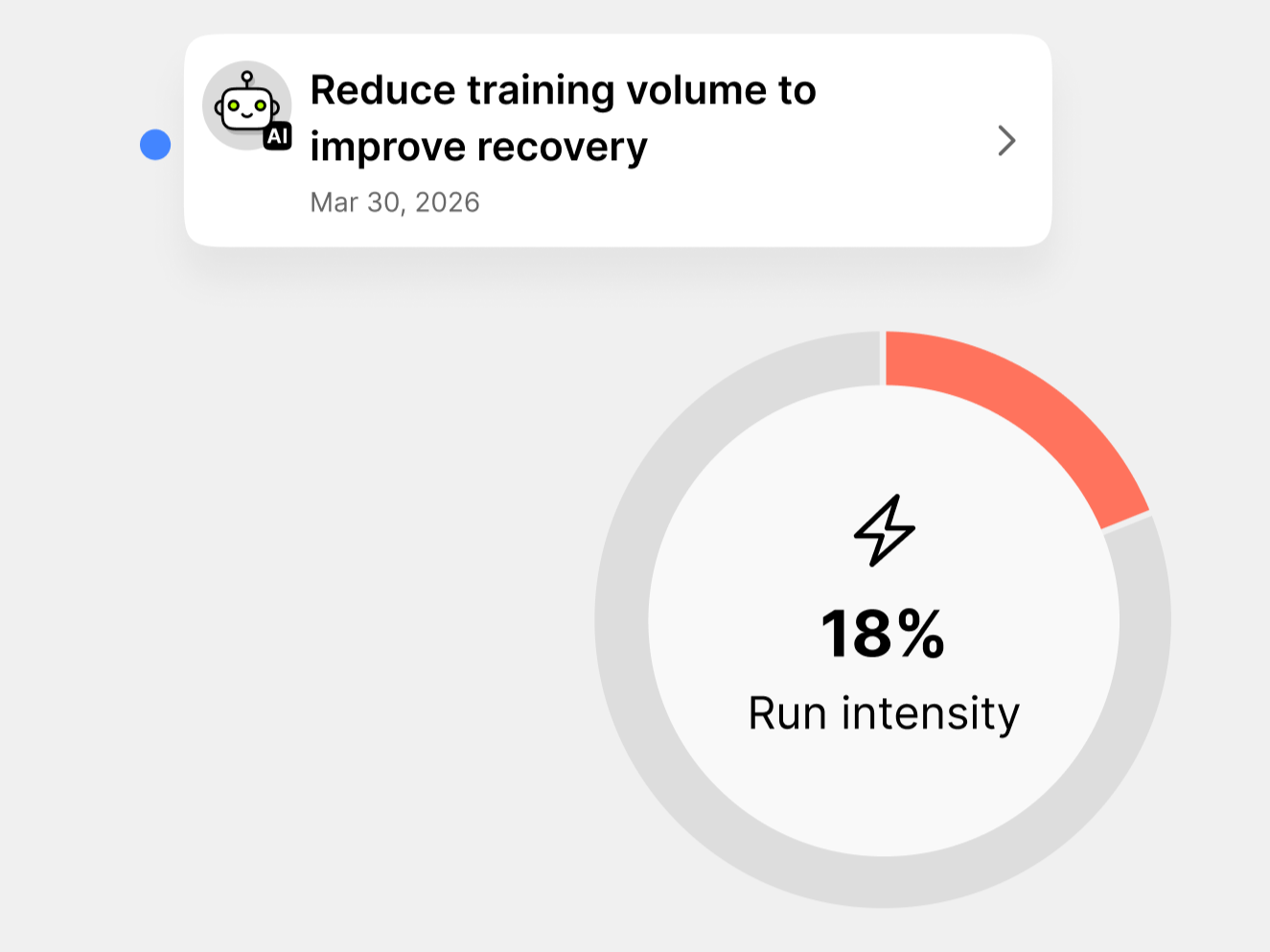
Your body is your best coach. It will give you early warnings in the form of fatigue or soreness, so pay attention to these signs. Tools like KULG App can help you track your progress and recovery, providing insights into when to push yourself and when to take it easy. Remember that recovery isn’t just about resting. It’s also about active recovery, nutrition, hydration and sleep.
Structure your training
A well-structured training plan is key to success. For intermediate runners, this usually means running three to four times a week. These should be a mix of easy, tempo and long runs. For seasoned runners, it may be more.
A good plan should also include one or two strength or cross-training sessions. The focus should be on building strength and preventing injuries.
One or two rest or active recovery days are also recommended. Activities such as yoga, walking or light cycling can keep your body moving without adding stress.
The power of the taper
The taper, or the gradual reduction of training volume before race day, is where the magic happens. It gives your body the chance to recover from all the hard work you’ve put in. Trust the process. Those last few weeks aren't about gaining fitness. They are about fine-tuning it.
Peaking for spring: Timing is everything
Peaking for a spring marathon means planning your training so that you’re at your fittest when the gun goes off. Here’s how to make it happen:
Build up gradually
Begin your training cycle by building a solid foundation. Gradually increase the distance of your long runs and the intensity of your workouts. Aim to achieve your longest run 3-4 weeks before race day. This will give your body time to recover and adapt.
Simulate race conditions
Practice makes perfect. Add race-pace runs to your training to get a feel for your target pace. If your marathon route is hilly, include hill reps in your training. If it’s flat, focus on maintaining a steady pace. The more you simulate race conditions, the more confident you’ll feel on race day.
Trust the process
It’s normal to feel a bit flat during your taper. You will probably even question whether you’ve done enough. But remember, fitness doesn’t disappear overnight. Trust that your body is ready. Visualise your race, stay positive and focus on the excitement of what’s to come.
Spring races as a stepping stone for autumn
A spring marathon isn’t just a goal in itself; it’s also a great way to prepare for autumn races. Here’s how:
Learn and adapt
Every race is a learning experience. Take note of what worked and what didn’t. Did your pacing strategy hold up? How did your body respond to the distance? Use these insights to refine your training for your autumn marathon.
Maintain momentum
After your spring marathon, take a short break to recover, but don't lose your momentum. Shift your focus to maintaining your fitness with lighter training. Now is the perfect time to address any weaknesses, such as strength or mobility, and enjoy running without the pressure of an upcoming race.
Set new goals
Use the confidence and fitness you gained from running the spring marathon to set yourself new goals for autumn. Whether you're aiming for a personal best, tackling a new distance or simply enjoying the journey, having a clear goal will help you stay motivated.
Embrace the journey
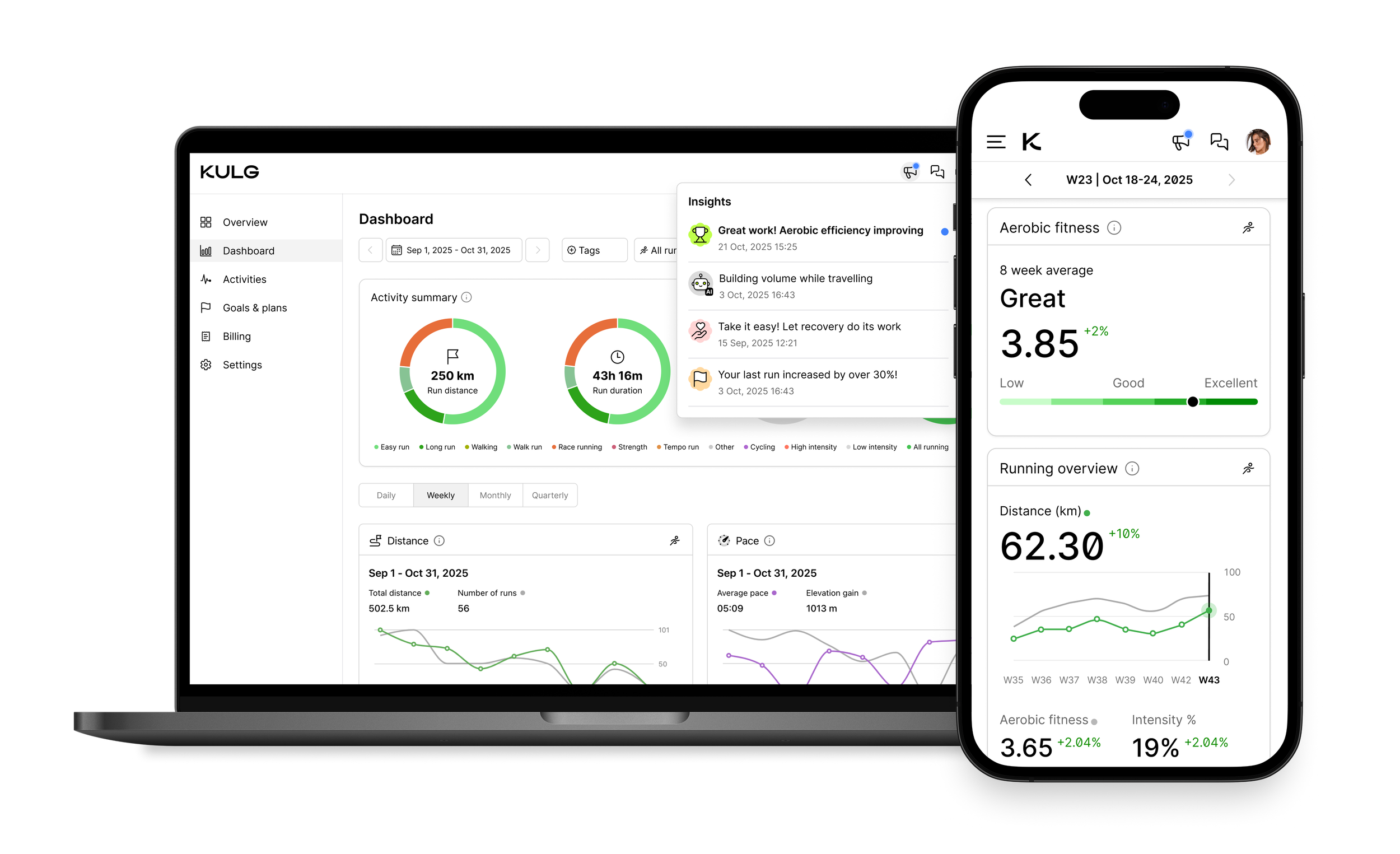
Running a marathon is as much about the journey as it is about the race itself. Embrace the highs and lows, the early starts and long runs, and the moments of doubt and confidence. Remember that tools like KULG App are there to support you every step of the way, helping you to stay on track and make informed decisions about your training.
So, jump into your running shoes, trust your training and prepare to shine this spring!
